
Blog
How Viltnemnda Addresses Wildlife Conflicts: A Guide for Residents

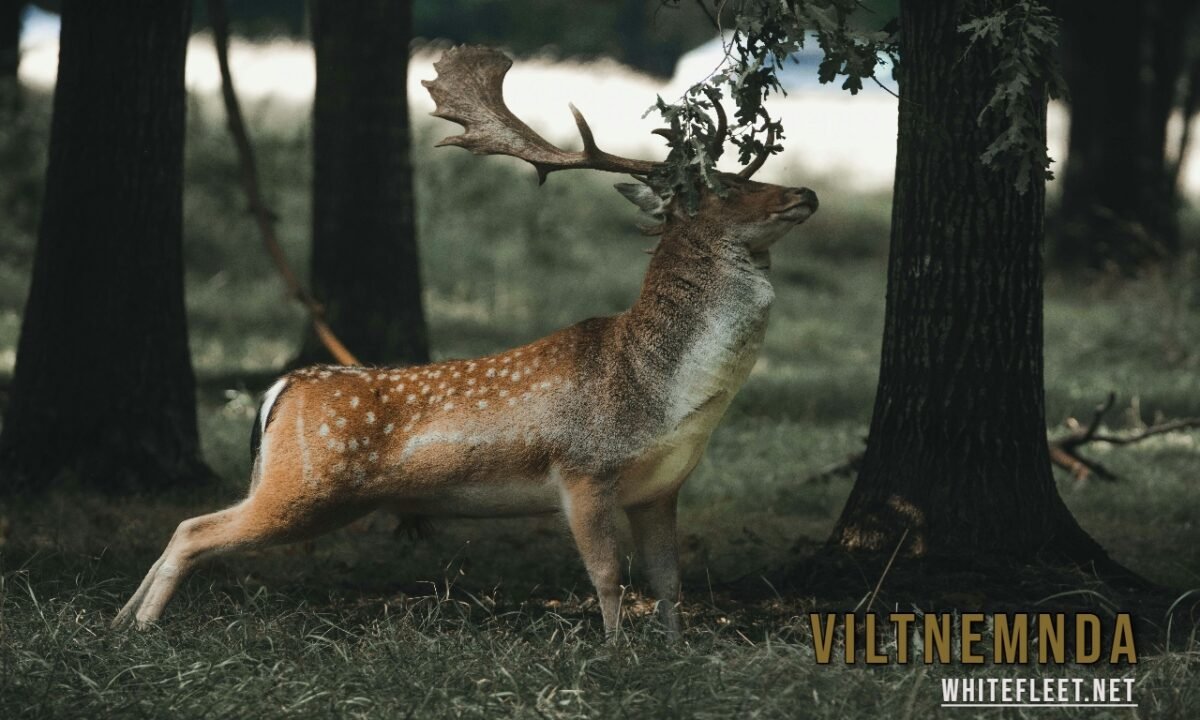
Wildlife and humans share the beautiful landscapes of Norway, but sometimes their paths cross in unexpected ways. When these encounters lead to conflicts, understanding how to effectively manage them becomes crucial. This is where Viltnemnda steps in—a dedicated body that plays a vital role in resolving wildlife issues. Whether it’s dealing with wandering reindeer or managing bear populations, this organization acts as a bridge between nature and local communities. Let’s dive into what Viltnemnda does, its history, responsibilities, and why it matters for both residents and wildlife alike.
History and Purpose of Viltnemnda
Viltnemnda, established in Norway, has a rich history rooted in wildlife management. It was formed to address the increasing conflicts between humans and local wildlife. As urban areas expanded, the need for responsible intervention grew more pressing.
The purpose of Viltnemnda is multifaceted. Primarily, it aims to maintain a balance between conserving wildlife populations and safeguarding community interests. This delicate equilibrium ensures that both residents and animals can coexist harmoniously.
You Might Also Like: Antarvacna
Over time, Viltnemnda has evolved its strategies based on changing ecological dynamics and societal needs. By implementing innovative approaches to conflict resolution, the organization continues to serve as a vital resource for communities facing challenges related to wildlife encounters.
Role and Responsibilities of Viltnemnda
Viltnemnda plays a crucial role in managing wildlife conflicts within local communities. Its primary responsibility is to assess and address situations where wildlife poses a threat to human safety or property. Members of Viltnemnda are trained to evaluate various scenarios, ensuring that actions taken are both effective and humane.
Additionally, they are tasked with developing strategies for coexistence between humans and wildlife. This includes educating residents about animal behavior, best practices for minimizing conflict, and promoting conservation efforts in the area.
Responding promptly to reports of problematic animals is another vital duty. By collaborating closely with local authorities and residents, Viltnemnda ensures swift actions while also considering ecological balance. Their multifaceted responsibilities reflect their commitment to protecting both people and nature alike.
The Decision-Making Process in Viltnemnda
The decision-making process in Viltnemnda is crucial for effective wildlife management. It involves a collaborative approach, where various stakeholders come together to address concerns related to wildlife conflicts. This ensures that diverse perspectives are considered before any action is taken.
Members of Viltnemnda, including local authorities and experts, review reports and data on wildlife populations and incidents. They analyze the impact of potential solutions while prioritizing safety for both residents and animals alike.
Transparency is key throughout this process. Meetings are often open to the public, allowing community members to voice their opinions or share personal experiences with wildlife interactions. Engaging residents fosters trust in the decisions made by Viltnemnda and strengthens community ties toward shared conservation goals.
Success Stories of Viltnemnda in Wildlife Management
Viltnemnda has seen remarkable success through its proactive approach to wildlife management. One standout achievement is the reduction of deer populations in urban areas, which has significantly decreased vehicle collisions. By implementing regulated hunting seasons and collaborating with local hunters, they have created a safer environment for both residents and wildlife.
Another success story involves the restoration of natural habitats for endangered bird species. Through targeted conservation efforts, Viltnemnda has helped boost populations of these birds, enabling them to flourish once again in their native ecosystems. Local volunteers played a crucial role by participating in habitat clean-up initiatives.
Community engagement proves vital as well. Viltnemnda organizes educational programs that teach residents about coexistence with local wildlife. These initiatives empower communities to take action while fostering appreciation for Norway’s rich biodiversity.
Challenges Faced by Viltnemnda
Viltnemnda faces various challenges in managing wildlife conflicts effectively. One significant hurdle is balancing human interests with the needs of local fauna. As urban areas expand, interactions between residents and wildlife increase, leading to potential conflicts that require careful navigation.
Another challenge is the limited resources available for comprehensive wildlife management programs. Budget constraints can hinder Viltnemnda’s ability to implement proactive measures or conduct extensive research on emerging issues related to species populations and habitat preservation.
Additionally, communication with the public remains a critical concern. Misunderstandings about Viltnemnda’s role can lead to frustration among residents facing wildlife encounters. Educating communities about effective coexistence strategies is essential but often difficult amid varying perceptions and expectations regarding wildlife behavior.
Collaborations and Partnerships with Local Communities
Viltnemnda understands that effective wildlife management requires strong partnerships with local communities. Engaging residents fosters a sense of ownership and responsibility towards nature conservation. By involving locals, Viltnemnda can gather valuable insights about wildlife behavior and community concerns.
Workshops, meetings, and informational sessions are common ways for Viltnemnda to connect with residents. These interactions allow for open dialogue about challenges faced by both people and wildlife. Education plays a key role in building awareness around sustainable practices that minimize conflicts.
Collaborations extend beyond individuals to include schools, businesses, and environmental groups. Such alliances create comprehensive strategies that benefit both humans and animals alike. Together, they work on initiatives like habitat restoration or preventive measures against overpopulation issues, ensuring a harmonious coexistence in Norway’s rich ecosystems.
The Importance of Viltnemnda in Norway’s Wildlife Conservation Efforts
Viltnemnda plays a crucial role in the balance between human activities and wildlife conservation in Norway. Its efforts not only aim to mitigate conflicts but also contribute significantly to preserving biodiversity. By addressing issues such as habitat loss and human-wildlife interactions, Viltnemnda helps protect vulnerable species while ensuring that communities feel secure.
The collaborative approach taken by Viltnemnda fosters partnerships with local residents, promoting awareness of wildlife conservation needs. Through education and engagement, community members become active participants in protecting their natural surroundings.
Moreover, successful interventions led by Viltnemnda demonstrate effective management strategies that can be replicated elsewhere. This enhances collective knowledge on sustainable practices across various regions.
The significance of Viltnemnda extends beyond immediate conflict resolution; it embodies a commitment to nurturing Norway’s rich wildlife heritage for future generations. With ongoing challenges ahead, its work remains essential for creating harmony between people and nature.
Heavy Hauling Services: Navigating the Complexities of Oversized and Industrial Freight

The Importance of Data in Modern Sports Analysis

Homeowners: Key Questions to Ask Before Hiring a Plumber

هنتاوي.com: The Ultimate Platform for Success

Tank vs. IFV vs. APC: A Military Ground Vehicle Identification Guide
