
Digital Marketing
How Modern SEO Strategies Drive Business Growth

In today’s competitive digital landscape, businesses must keep pace with rapid changes in search engine algorithms and evolving user expectations. Understanding and applying cutting-edge SEO strategies is vital for any organization hoping to build online visibility and grow sustainably. For those seeking hands-on support or corporate-level expertise in advanced SEO, visit our website to discover tailored solutions that accelerate your digital success.
Modern SEO involves much more than choosing the right keywords. Businesses are seeing fast improvements when they prioritize user experience, technical performance, and smart integration of artificial intelligence. These strategies not only help attract qualified leads but also position brands as leaders within their target markets. With users demanding quicker answers and seamless digital experiences, a holistic approach to SEO has become foundational for growth.
Enhancing User Experience Through Technical SEO
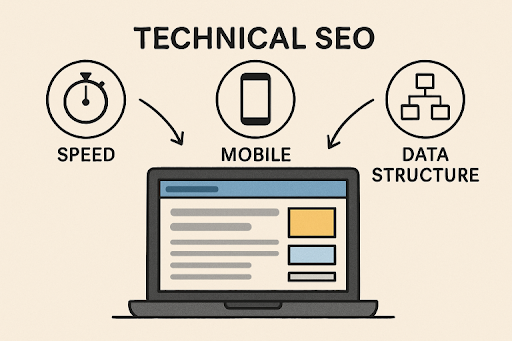
Technical SEO remains at the core of a successful digital growth strategy. A sluggish site, broken links, or confusing page layouts can frustrate users and lead to quick exits, harming your brand’s reputation. Streamlining technical aspects, such as improving site speed, ensuring mobile responsiveness, and solving crawl errors, is essential for both ranking higher in search engines and delivering a pleasant user journey. Google consistently rewards websites that provide value and convenience, as seen in their guidance for creating helpful content. By addressing foundational technical barriers, businesses keep visitors on their sites longer and increase their likelihood of converting.
In addition, maintaining a clean site architecture and utilizing structured data fosters more robust indexation and opportunities for enhanced search features, such as Google’s rich snippets. Modern content management systems often provide tools and plugins that automate best practices, but periodic technical audits remain essential for identifying emerging issues and staying aligned with search engine updates. Empowering development teams to collaborate closely with SEO specialists makes it easier to identify technical bottlenecks before they affect user experience or organic ranking potential.
Leveraging AI for Advanced Keyword Research
Artificial intelligence is reshaping how businesses approach keyword research and content development. Instead of manually sifting through long lists of potential phrases, AI-driven tools analyze trends, user intent, and competitive gaps at scale. This allows brands to discover highly relevant opportunities faster and with greater precision. AI also enables dynamic content optimization, offering recommendations that help improve relevance and freshness over time. According to an in-depth feature in the Journal of Sustainability, Policy, and Practice, AI-powered keyword research empowers companies to remain agile and capitalize on shifting search behavior, giving them a decisive edge in crowded markets.
Furthermore, machine learning can now predict the evolving voice search queries and semantic relationships between topics, making it crucial for marketers to diversify their keyword strategies. Long-tail and conversational keywords are becoming increasingly important as users interact more with digital assistants. Leveraging AI in this context enables businesses to understand nuanced queries and deliver tailored content, connecting more meaningfully with specific audience segments and improving both organic reach and engagement rates.
Focusing on Local SEO to Attract Nearby Customers
Businesses with physical locations or those offering region-specific services depend heavily on local SEO to bring in foot traffic and nearby customers. Optimizing and verifying Google Business Profiles, maintaining consistent local citations, and encouraging positive customer reviews can have a transformative impact on local search visibility. Targeting location-based keywords and publishing content relevant to a local audience helps ensure your business becomes the go-to choice when prospects search for nearby solutions. Dominating the local landscape also builds trust and fosters sustained, relationship-driven growth.
Additionally, actively engaging with community events, local partnerships, and regional news can further amplify local relevance and attract backlinks from influential local publishers. Consistency between online directory listings and your website information is critical; even minor discrepancies can affect rankings and trustworthiness in local search. Embedding location-specific schema markup and leveraging geo-targeted ads also give local businesses an extra advantage, ensuring they stand out when potential customers are making immediate purchasing decisions.
Building Authority Through High-Quality Backlinks
Building authority within your industry is closely tied to the quality and relevance of your backlink profile. Earning mentions and links from well-known websites, reputable industry publications, or local news outlets signals trustworthiness to both search engines and prospective customers. Backlinks act as endorsements, boosting your domain’s credibility and driving referral traffic. Google’s ranking systems continue to give considerable weight to authoritative backlinks, making ongoing link-building a non-negotiable part of any long-term SEO strategy.
Effective link-building now often extends beyond basic outreach and incorporates value-driven content, such as original research, case studies, or thought leadership, that naturally attracts citations. Contributing guest articles, participating in industry forums, or building collaborative digital tools can also earn organic backlinks while amplifying your brand’s authority. The focus should always be on relevance and authenticity; links from highly targeted sources carry more weight and long-term benefit than those from generic, mass-generated sources.
Adapting to AI-Driven Search Engines
Search technology is undergoing a fundamental shift as AI-powered engines begin to prioritize user intent and deliver generative, context-driven results. Adapting to this new paradigm, often referred to as Generative Engine Optimization, involves structuring content so AI systems can interpret and showcase your information in relevant answer boxes or summaries. Businesses that tune their strategies for these changes ensure greater visibility across Google and other emergent AI search tools. For a deeper examination of the shift to generative search, see coverage on Generative Engine Optimization: How to Dominate AI Search.
With AI-generated content summaries and answer engines playing a larger role, structuring your website to answer key questions directly and clearly is more crucial than ever. This means utilizing FAQ sections, implementing schema markup, and addressing common customer queries in your primary pages. As AI-powered search becomes more sophisticated, businesses must anticipate the types of information algorithms seek when serving users efficient, intelligent results.
Integrating SEO with Business Development Strategies
SEO is no longer a siloed activity. Forward-thinking business development leaders actively incorporate SEO into all parts of their strategy. AI-based keyword targeting, holistic technical optimization, seamless CRM integration, and real-time analytics are helping align SEO efforts with wider business goals. This comprehensive approach enhances lead generation and supports a healthier, more predictable sales pipeline. As AI continues to advance, the synergy between SEO tactics and overall business development will become increasingly vital for capturing market share and nurturing customer relationships.
Organizations that foster collaboration between marketing, sales, and technical teams are better equipped to identify emerging opportunities and respond to competitive threats. Tracking SEO-driven revenue, not just traffic or rankings, helps demonstrate impact to stakeholders. Integrating SEO data into CRM systems enables more personalized, relevant outreach and follow-up. Ultimately, aligning SEO with evolving business objectives ensures that marketing investments fuel meaningful growth rather than isolated digital gains.
Conclusion
Businesses seeking sustainable growth must keep pace with evolving SEO techniques. By committing to improved user experiences, leveraging AI advancements, embracing local search, pursuing authoritative backlinks, and anticipating changes driven by AI search engines, companies are well-positioned to outperform competitors. The integration of SEO with broader business goals ensures ongoing returns and a resilient presence in the digital marketplace.
In summary, the rapid evolution of SEO presents both challenges and unprecedented opportunities. Organizations that invest in continuous education, experimentation, and cross-team collaboration are poised to maximize the impact of every digital initiative. As the lines blur between search, user experience, and broader marketing, adaptability will become a defining trait for top-performing businesses navigating the future of digital growth.

Heavy Hauling Services: Navigating the Complexities of Oversized and Industrial Freight

The Importance of Data in Modern Sports Analysis

Homeowners: Key Questions to Ask Before Hiring a Plumber

هنتاوي.com: The Ultimate Platform for Success

Tank vs. IFV vs. APC: A Military Ground Vehicle Identification Guide
