
Others
Pulsatile Endocrine Signaling and Pituitary Secretagogue Dynamics in Preclinical Investigation

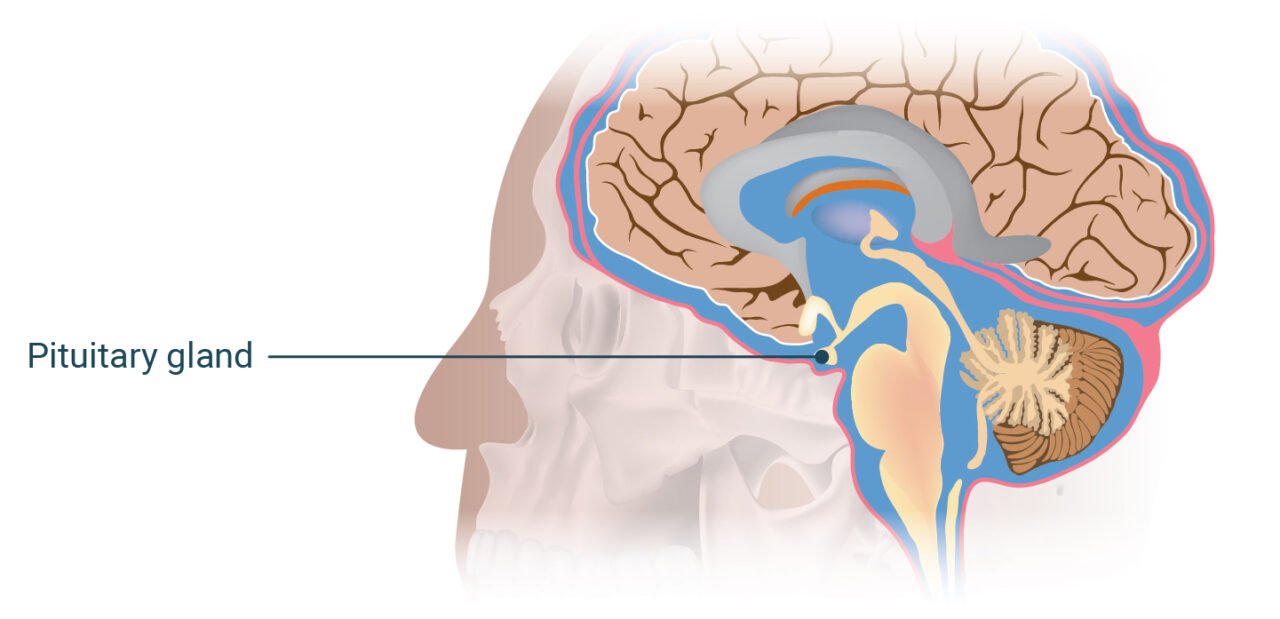
The neuroendocrine control of growth hormone (GH) secretion is an intricately balanced physiological network governed by hypothalamic peptides, peripheral metabolic signals, and pituitary somatotroph receptor cascades. Endogenous growth hormone-releasing hormone (GHRH) stimulates GH synthesis and release by binding to specific G-protein coupled receptors (GPCRs) linked to adenylate cyclase and intracellular cyclic adenosine monophosphate (cAMP) elevation. Concurrently, ghrelin—the natural ligand for the growth hormone secretagogue receptor 1a (GHS-R1a)—activates the phospholipase C (PLC) and inositol triphosphate (IP3) pathway, triggering transient intracellular calcium mobilization. Together, these convergent pathways drive the pulsatile secretion of growth hormone essential for cellular differentiation, protein synthesis, and metabolic regulation across mammalian systems.
In contemporary preclinical endocrinology, investigating the synergistic mechanics of these dual signaling pathways is frequently conducted using a validated co-administration model. Utilizing a combination of CJC-1295 (No DAC) and Ipamorelin allows laboratory researchers to isolate the molecular dynamics of somatotroph stimulation while avoiding the sustained endocrine disruption associated with continuous, non-pulsatile hormone exposure in experimental cellular and animal systems.
Receptor Selectivity and Signaling Pathway Convergence
CJC-1295 (No DAC), also known as modified GRF (1-29), is a synthetic 29-amino-acid tetrasubstituted peptide analogue of GHRH. Engineered with specific D-amino acid substitutions at positions 2, 8, 15, and 27, this analogue exhibits enhanced resistance to cleavage by the ubiquitous exopeptidase dipeptidyl peptidase-IV (DPP-IV). When CJC-1295 binds to the GHRH receptor on anterior pituitary cells, it promotes receptor-coupled Gs alpha subunit activation, increasing intracellular cAMP levels and priming somatotroph storage vesicles for exocytosis.
In contrast, Ipamorelin is a synthetic pentapeptide (Aib-His-D-2-Nal-D-Phe-Lys-NH2) engineered for extraordinary selectivity toward the GHS-R1a receptor. Unlike first-generation GHRP secretagogues such as GHRP-2 and GHRP-6, Ipamorelin does not stimulate the off-target release of adrenocorticotropic hormone (ACTH), cortisol, or prolactin in preclinical assays. When CJC-1295 and Ipamorelin are co-incubated with primary pituitary somatotrophs, the simultaneous elevation of cAMP and IP3-mediated calcium flux produces a robust, physiologically authentic pulse of growth hormone that mimics natural circadian secretory bursts.
Pharmacokinetics and Elimination Half-Life in Experimental Models
A central consideration in neuroendocrine research is the half-life and clearance kinetics of peptide secretagogues. Unlike long-acting formulations conjugated with maleimidopropionic acid to bind serum albumin, CJC-1295 without DAC possesses a physiological half-life of approximately 30 minutes in circulation. This rapid clearance profile prevents continuous, non-pulsatile receptor desensitization and preserves the natural negative feedback loop mediated by somatostatin and insulin-like growth factor-1 (IGF-1).
Similarly, Ipamorelin exhibits rapid clearance with an elimination half-life of approximately two hours in animal models. This kinetic synergy ensures that preclinical assays reflect acute pulsatile endocrine dynamics rather than chronic supraphysiological receptor occupancy, providing clean and reproducible experimental datasets for endocrinology researchers studying cellular metabolism and tissue growth kinetics.
Somatostatin Resistance and Pituitary Homeostasis
An additional benefit of evaluating dual secretagogue regimens in vitro is the relative preservation of hypothalamic-pituitary-somatotropic axis sensitivity. Endogenous somatostatin (growth hormone-inhibiting hormone) exerts tonic inhibitory control over somatotrophs. Preclinical investigations demonstrate that the convergent activation of both GHRH and GHS-R1a pathways temporarily overrides baseline somatostatin inhibition without exhausting intracellular vesicle stores. This dynamic allows researchers to study physiological hormone release cycles with exceptional reproducibility.
Downstream Cellular Anabolism and Gene Transcription
Following secretagogue-induced hormone release, downstream signaling cascades trigger the hepatic synthesis of insulin-like growth factor-1 (IGF-1) and localized tissue-specific transcriptomic alterations. In muscle and chondrocyte cultures, elevated IGF-1 stimulates the Akt/mTOR phosphorylation cascade, enhancing cellular protein synthesis while inhibiting ubiquitin-proteasome mediated catabolism. Quantifying these downstream transcriptional shifts provides critical insights into cellular growth regulation.
Analytical Quality Standards in Secretagogue Synthesis
To achieve reproducible results in neuroendocrine assays, synthetic secretagogue preparations must meet stringent chemical purity standards. High-performance liquid chromatography (HPLC) ensures the absence of truncation intermediates, while high-resolution mass spectrometry (HRMS) confirms accurate molecular mass and C-terminal amidation. Rigorous analytical validation ensures that experimental outcomes reflect the pure pharmacological activity of the peptides under investigation.


Pulsatile Endocrine Signaling and Pituitary Secretagogue Dynamics in Preclinical Investigation
Heavy Hauling Services: Navigating the Complexities of Oversized and Industrial Freight

The Importance of Data in Modern Sports Analysis

هنتاوي.com: The Ultimate Platform for Success

Tank vs. IFV vs. APC: A Military Ground Vehicle Identification Guide
