
Tech
SOA OS23 Overview: Interoperability in Modern Software

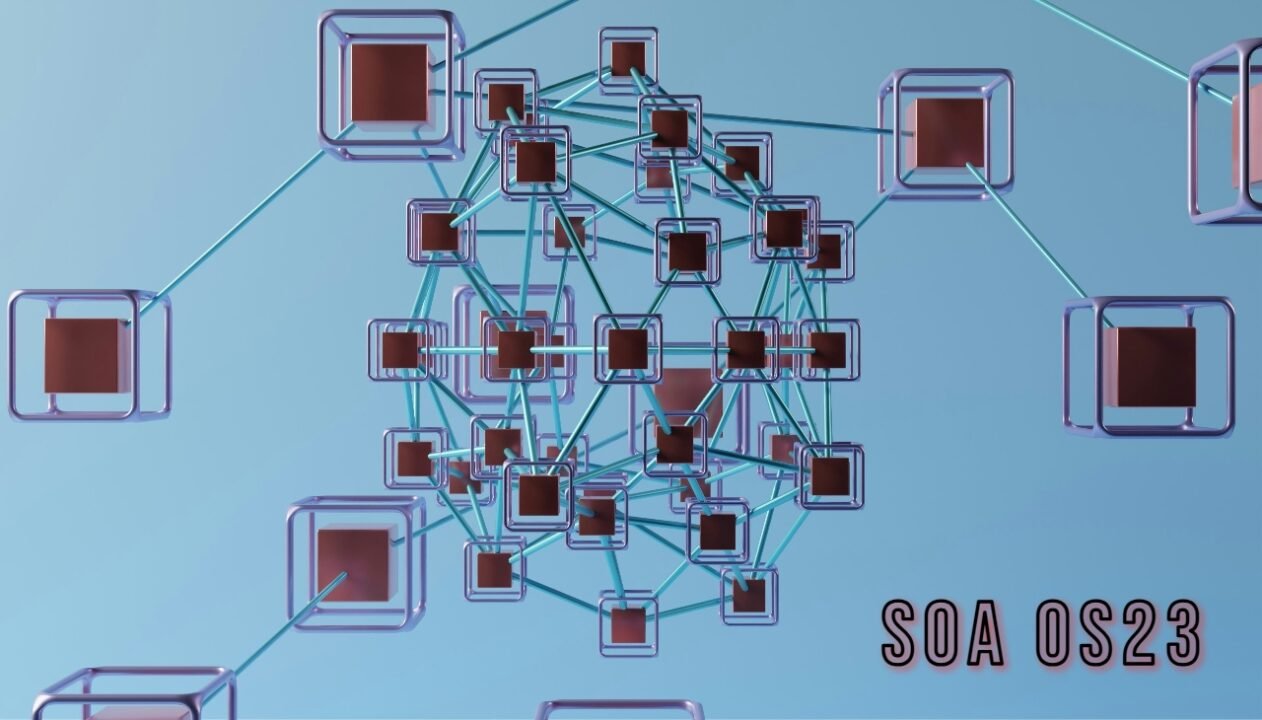
In today’s rapidly evolving digital landscape, the need for seamless communication between diverse software systems has never been more critical. Enter SOA OS23—a groundbreaking framework designed to enhance interoperability across modern applications. With an emphasis on modularity and flexibility, SOA OS23 is transforming how organizations integrate their services. Whether you’re a tech enthusiast or a business leader, understanding this innovative approach can propel your operations into the future of technology. Let’s dive deeper into what makes SOA OS23 a game-changer in the realm of software interoperability.
This article explores SOA OS23, a transformative framework that enhances interoperability in software. It delves into its core features, advantages, real-world applications, future trends, and implementation strategies. Additionally, we’ll compare it to other platforms and discuss industry-specific uses while addressing compliance challenges in today’s digital landscape.
Introduction to SOA OS23
SOA OS23 is a transformative approach to software architecture, focusing on interoperability and flexibility. It empowers organizations to build modular systems that seamlessly connect with various technologies, enhancing collaboration and efficiency in today’s fast-paced digital landscape. Embracing SOA OS23 can redefine how businesses operate and innovate.
Understanding the Core Features of SOA OS23
SOA OS23 stands out with its modular service design, allowing flexibility in development. API-first communication enhances connectivity, while cloud-native compatibility ensures optimal performance across environments. Built-in observability provides insights into system behavior, and a zero-trust security model fortifies integrity and data protection at every layer of interaction.
Modular service design
Modular service design allows developers to break down applications into smaller, reusable components. This approach fosters agility and simplifies updates. Each module can function independently or collaborate seamlessly with others, enhancing flexibility and reducing development time while promoting a more organized architecture for modern software solutions.
API-first communication
API-first communication prioritizes the design and development of APIs before building any other components. This approach ensures seamless interactions between services, enhancing flexibility and speed in software development. By standardizing how systems communicate, organizations can adapt more quickly to changes and integrate new functionalities with ease.
Cloud-native compatibility
Cloud-native compatibility enables SOA OS23 to seamlessly integrate with various cloud environments. It leverages microservices architecture, allowing organizations to deploy applications rapidly and efficiently. This flexibility enhances resource utilization and ensures that businesses can scale effortlessly as their needs evolve in the dynamic digital landscape.
Built-in observability
SOA OS23 incorporates built-in observability, enabling real-time monitoring of service performance. This feature allows developers to gain insights into system behavior and quickly identify issues. It fosters a proactive approach to troubleshooting, ensuring that applications run smoothly while enhancing overall user experience and operational efficiency.
Zero-trust security model
The zero-trust security model ensures that every user and device is verified, regardless of their location. This approach minimizes risks by assuming breaches can occur at any level. It emphasizes strict identity verification, continuous monitoring, and least-privilege access to protect sensitive data in today’s interconnected environments.
Advantages of SOA OS23
SOA OS23 accelerates development and deployment cycles, enhancing agility. Its resilient architecture minimizes downtime and ensures smoother operations. Integration with legacy systems becomes straightforward, facilitating seamless transitions. Additionally, the platform scales effortlessly across cloud environments and edge devices, making it adaptable to diverse business needs.
Faster development and deployment
SOA OS23 accelerates development and deployment by promoting modular service design. Teams can work on different components simultaneously, leading to shorter release cycles. This agility allows organizations to respond quickly to market demands, ensuring they stay competitive in a rapidly changing landscape. Speed becomes a key advantage for businesses embracing this architecture.
Improved system resilience
Enhanced system resilience is a key benefit of SOA OS23. By utilizing modular services, systems can recover faster from failures and adapt to changes seamlessly. This flexibility ensures uninterrupted service delivery, empowering organizations to maintain operational continuity amid disruptions or unexpected challenges in the digital landscape.
Easier integration with legacy systems
SOA OS23 simplifies the integration of legacy systems by utilizing modular service design. This allows organizations to connect older applications with modern services seamlessly, reducing the complexity and cost associated with overhauling existing infrastructures while maintaining operational continuity. Flexibility is key in today’s fast-paced tech environment.
Scalability across cloud and edge
SOA OS23 offers remarkable scalability across both cloud and edge environments. This flexibility allows organizations to easily adapt their services based on demand. As workloads increase, SOA OS23 ensures seamless performance without compromising speed or efficiency, enabling businesses to grow while maintaining high-quality service delivery.
Real-World Use Cases of SOA OS23
SOA OS23 is transforming various sectors. In enterprise IT, it streamlines operations and enhances collaboration. Healthcare benefits from seamless data exchange, while IoT applications thrive through efficient edge computing. Financial services leverage its integration capabilities, and smart manufacturing optimizes processes for better productivity and innovation.
Enterprise IT systems
Enterprise IT systems benefit greatly from SOA OS23’s modular design. This architecture enables seamless integration of various services, ensuring that businesses can adapt quickly to changing needs. With improved interoperability, organizations can enhance productivity and streamline processes across departments, fostering a more agile work environment.
Healthcare data exchange
SOA OS23 revolutionizes healthcare data exchange by enabling seamless communication between disparate systems. This fosters better patient care through real-time access to medical records, improves interoperability among healthcare providers, and ensures secure sharing of sensitive information across platforms, ultimately enhancing the efficiency of health services delivery.
IoT and edge computing
SOA OS23 enhances IoT and edge computing by enabling seamless communication between devices. Its modular architecture supports real-time data processing, allowing businesses to make swift decisions. With built-in security features, organizations can confidently deploy applications at the edge while ensuring data integrity across diverse environments.
Financial services integration
SOA OS23 enhances financial services integration by enabling seamless data exchange between various systems. This leads to faster transactions, improved customer experiences, and heightened security. With an API-first approach, organizations can easily adapt to changing regulatory requirements while maintaining robust connectivity across diverse applications.
Smart manufacturing
Smart manufacturing leverages SOA OS23 to enhance production efficiency and flexibility. By integrating real-time data from machines, supply chains, and human resources, manufacturers can optimize processes. This approach not only reduces waste but also allows for rapid adjustments to meet changing demands in a competitive landscape.
Future Trends in SOA OS23
Future trends in SOA OS23 are poised to reshape the landscape. Expect AI-driven service orchestration for smarter automation, blockchain integration enhancing security and transparency, digital credentialing for user verification, and a push towards standardization of APIs to streamline communication across platforms. Innovation is on the horizon.
AI-driven service orchestration
AI-driven service orchestration enhances SOA OS23 by automating workflows and optimizing resource allocation. It uses machine learning to predict service demands, ensuring efficient delivery. This approach minimizes human error and accelerates decision-making, allowing businesses to respond quickly to changing needs in a dynamic landscape.
Blockchain integration
Blockchain integration within SOA OS23 enhances data integrity and security. By utilizing decentralized ledgers, organizations can ensure transparent transactions and reduce fraud risks. This synergy fosters trust between stakeholders while streamlining processes across various applications, making it a valuable asset in modern software architectures.
Digital credentialing
Digital credentialing is transforming how we validate skills and qualifications. By leveraging blockchain technology, organizations can securely issue and verify credentials. This ensures authenticity while reducing fraud risks. As SOA OS23 supports this integration, businesses can streamline hiring processes and enhance trust in professional achievements across various sectors.
Standardization of APIs
Standardizing APIs fosters consistency and simplifies integration across platforms. It enhances collaboration among developers by providing clear guidelines. With uniformity, organizations can minimize errors and reduce time-to-market for new applications, ultimately driving innovation in the software landscape and ensuring smoother interoperability between diverse systems.
Implementing SOA OS23 in Your Organization
Implementing SOA OS23 requires a strategic approach. Start by assessing current systems and identifying integration points. Engage cross-functional teams to ensure alignment. Prioritize training for staff on new tools and workflows, fostering a culture of adaptability that encourages innovation while minimizing disruption during the transition process.
Comparing SOA OS23 with Other Platforms
SOA OS23 stands out with its modular design and API-first approach, making it easier to integrate various systems. Unlike traditional monolithic architectures, SOA OS23 enhances flexibility and scalability. Competitors may lack the same cloud-native compatibility and built-in observability features that are crucial for modern software interoperability.
Challenges and Solutions in Adopting SOA OS23
Adopting SOA OS23 presents challenges like integration complexities and resistance to change. Organizations may struggle with skill gaps or legacy system compatibility. Solutions include robust training programs, gradual implementation strategies, and leveraging expert consultants to facilitate a smoother transition while ensuring stakeholder buy-in throughout the process.
Industry-specific Applications of SOA OS23
SOA OS23 finds applications across various industries. In retail, it streamlines supply chain management. For telecommunications, it enhances service delivery. The education sector benefits from improved data sharing between institutions. Meanwhile, in logistics, SOA OS23 optimizes route planning and resource allocation for better efficiency and cost savings.
Compliance with SOA OS23 in the Digital Era
Compliance with SOA OS23 requires adherence to strict data governance and security standards. Organizations must ensure their services are interoperable while safeguarding sensitive information. Regular audits, transparent documentation, and robust cybersecurity measures are essential for maintaining compliance in today’s rapidly evolving digital landscape.
Conclusion
SOA OS23 represents a significant leap in the world of software interoperability. Its modular design, API-first approach, and cloud-native compatibility make it an essential tool for modern organizations. As businesses navigate the complexities of digital transformation, SOA OS23 stands ready to offer solutions that enhance resilience, scalability, and security.
Embracing this framework can lead to smoother integrations with existing systems while preparing companies for future innovations like AI and blockchain technology. The trends indicate that as industries evolve, so will their reliance on robust architectures such as SOA OS23.
Organizations must recognize its potential not just for today but also tomorrow’s challenges. With compliance becoming ever more critical in the digital landscape, adopting SOA OS23 may well be a strategic move toward sustainable growth and innovation.


BrassSmile: How a Unique Sound Can Transform Your Mood

Homeowners: What Key Questions to Ask When Hiring a Plumber Near Me

How Hiring a Local Plumber Transforms Emergency Plumbing Situations

FintechZoom.com Markets: Latest Trends and Financial Insights

هنتاوي.com: The Ultimate Platform for Success
