
Education
Assimilasjon: Understanding How We Integrate New Knowledge

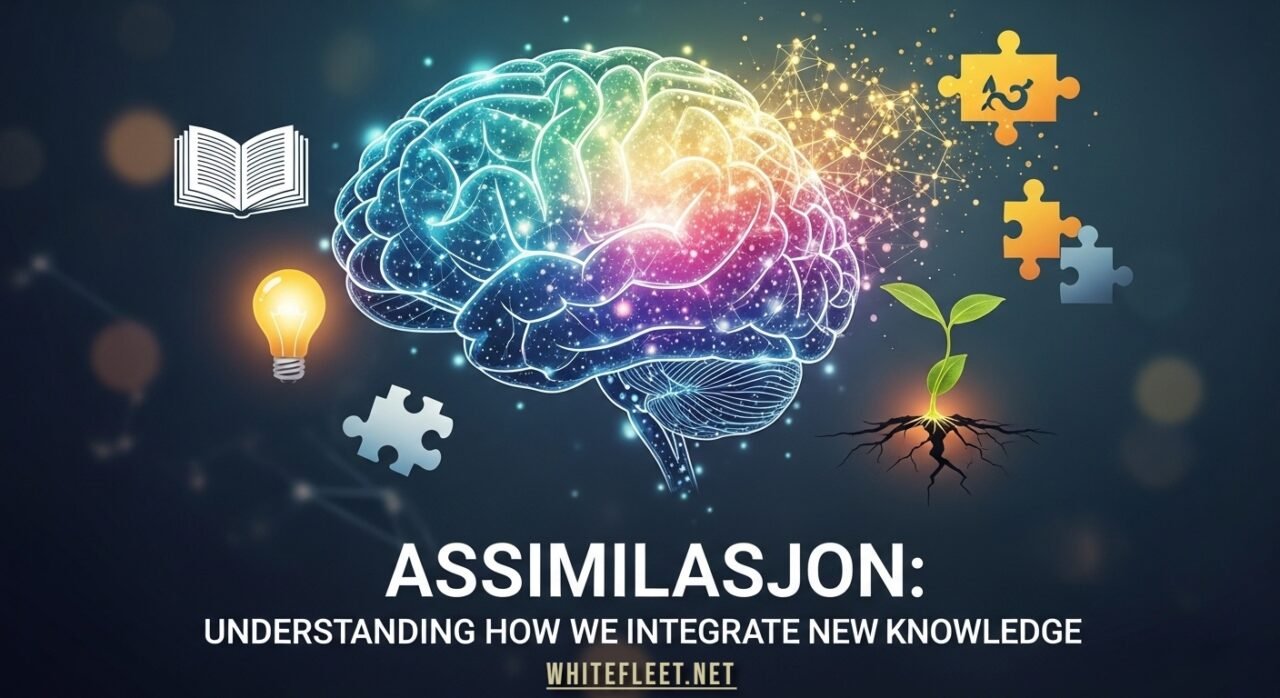
Have you ever found yourself learning something new, only to realize that it seamlessly fits into what you already know? That moment of clarity is thanks to a process called assimilasjon. It’s the brain’s way of integrating fresh information with existing knowledge, creating a richer understanding of the world around us. Whether you’re picking up a new language or grasping complex scientific concepts, assimilasjon plays a pivotal role in our learning experiences. Dive deeper into this fascinating topic and discover how we can enhance our ability to learn through effective assimilation techniques.
What is Assimilasjon?
Assimilasjon refers to the cognitive process where new information is incorporated into existing mental frameworks. It’s how we make sense of what we encounter by linking it to prior knowledge.
When you learn about a concept, your brain searches for connections with things you already understand. This interaction helps solidify the new ideas and makes them easier to recall later.
Think of assimilasjon like adding pieces to a puzzle. Each new piece fits snugly into an established picture, enhancing your overall view.
You Might Also Like: USAenlinea .com
This process is essential in everyday learning, from academics to practical skills. Understanding assimilasjon opens doors for more effective studying and deeper comprehension across various subjects.
The Role of Assimilasjon in Learning
Assimilasjon plays a crucial role in how we acquire new knowledge and skills. It allows us to connect unfamiliar concepts with our existing mental frameworks. This integration makes learning more intuitive.
When we encounter new information, assimilasjon helps us fit it into what we already know. For instance, when learning a new language, grasping the structure of sentences can rely on familiar grammar rules from our native tongue.
This process fosters deeper understanding and retention. By relating new ideas to prior experiences, learners create stronger neural pathways in their brains.
In educational settings, teachers can facilitate this by linking lessons to students’ background knowledge. Engaging activities that encourage personal connections enhance the assimilasjon process.
Recognizing its importance empowers both learners and educators to approach new material effectively, ensuring that each piece of knowledge is not just learned but integrated seamlessly into an ever-expanding cognitive landscape.
Assimilasjon vs Akkomodasjon
Assimilasjon and akkomodasjon are two critical concepts in the realm of learning. While they often work together, each serves a distinct purpose.
Assimilasjon involves integrating new information into existing frameworks. When you learn something new that fits your current understanding, it’s like adding a piece to a puzzle. This process helps reinforce what you already know.
On the other hand, akkomodasjon happens when the new information doesn’t fit neatly into your existing beliefs or knowledge structures. It forces you to modify those structures instead. Think of it as reshaping parts of the puzzle to make room for an entirely new piece.
Both processes are essential for effective learning and cognitive development. They allow us to adapt our understanding continuously and grow intellectually over time.
Practical Examples of Assimilasjon
Assimilasjon occurs daily, often without us realizing it. When you learn to ride a bike for the first time, you integrate new experiences into existing knowledge about balance and steering.
Reading books introduces new concepts. As you encounter unfamiliar words or ideas, your brain incorporates them into your vocabulary and understanding of language.
Consider cooking a dish from another culture. You might adapt techniques you’ve previously learned while adding spices or ingredients that are novel to you.
Even in social settings, meeting people from diverse backgrounds allows for assimilation of different perspectives and customs into your worldview.
In each instance, you’re not just absorbing information; you’re connecting it with what you already know. This process makes learning richer and more meaningful as we continue to grow our understanding of the world around us.
Assimilasjon in Child Development
Assimilasjon plays a crucial role in how children develop their understanding of the world. As they encounter new information, they often relate it to what they already know. This process helps them make sense of experiences and build a coherent mental framework.
For example, when a child learns about dogs after only knowing cats, they might assimilate this new knowledge by categorizing all four-legged animals as pets. They connect unfamiliar concepts with familiar ones, enhancing their comprehension.
During playtime or everyday interactions, children constantly engage in assimilasjon. Whether identifying colors or shapes, each experience reinforces existing knowledge while integrating fresh insights.
This blending not only fosters learning but also supports cognitive growth. By nurturing environments that encourage exploration and questioning, caregivers can facilitate effective assimilasjon throughout early development stages.
Strategies to Enhance Assimilasjon
To enhance assimilasjon, creating a rich learning environment is key. Surround yourself with diverse materials—books, videos, and interactive content. This variety stimulates interest and increases the likelihood of integrating new knowledge.
Engaging in discussions can also boost understanding. Sharing thoughts with peers helps clarify concepts and opens new perspectives. It’s an opportunity to challenge your ideas while reinforcing what you’ve learned.
Practice makes perfect when it comes to assimilasjon. Regularly revisiting information strengthens neural connections. Try teaching others; explaining concepts reinforces your own understanding as well.
Utilize visual aids like diagrams or mind maps for complex subjects. They simplify information processing and create memorable associations that facilitate assimilation.
Staying curious fuels the desire to learn more. Ask questions and seek answers actively—it keeps the mind sharp and ready to absorb fresh insights.
Conclusion
Assimilasjon is a fundamental concept in learning and cognitive development. By integrating new knowledge with existing frameworks, we enhance our understanding of the world around us. This process not only applies to academic settings but also plays a vital role in everyday experiences.
Recognizing the distinction between assimilasjon and akkomodasjon is essential for educators and parents alike. Understanding how these two processes interact can lead to more effective teaching strategies and support systems for children as they grow.
Practical examples abound, from mastering new concepts in mathematics to acquiring language skills. These real-life applications help illustrate how assimilasjon operates on both individual and collective levels.
As we consider child development, it’s clear that fostering an environment conducive to assimilasjon can significantly impact a child’s ability to learn. Strategies such as encouraging curiosity, providing diverse experiences, and creating connections between new information and prior knowledge are beneficial.
By prioritizing these approaches, we can assist learners in building robust mental frameworks that facilitate deeper understanding and retention of knowledge. Promoting assimilasjon not only enriches personal growth but also contributes positively to societal advancement through informed individuals who engage thoughtfully with their surroundings.


How to Choose the Best Dog Daycare for Your Pet in Miami

The Mechanics of Authenticity: Understanding How an AI Detector Functions

Homeowners: What to Ask Before Hiring a Plumber

هنتاوي.com: The Ultimate Platform for Success

FintechZoom.com Markets: Latest Trends and Financial Insights
