
History
Fascisterne: History, Ideology, and Modern Implications

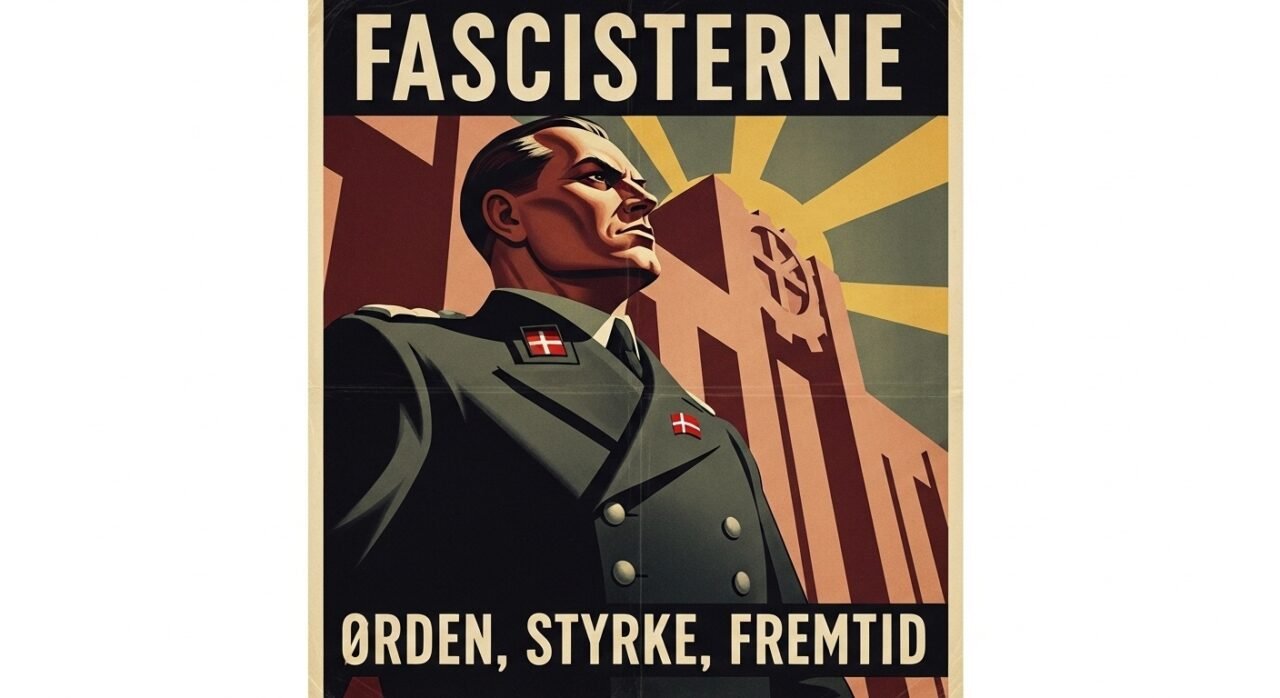
Fascisterne is the Danish term for fascists, referring to adherents of fascism, an authoritarian and ultranationalist political ideology. This ideology emerged in early 20th-century Europe, most notably under Benito Mussolini in Italy. Over time, fascisterne has come to symbolize far-right extremism, anti-democratic values, and the suppression of civil liberties.
In this article, we will explore the origins of fascisterne, the core principles of fascism, historical examples, and its relevance in modern political contexts. Understanding fascisterne provides insight into the dangers of authoritarianism and the ways societies resist or confront extremist ideologies.
What Does Fascisterne Mean?
The word fascisterne directly translates to “the fascists” in English. In Denmark and other Nordic countries, it is often used in historical, political, and academic discussions about fascism. The term refers to individuals who actively support or propagate fascist ideology, which is characterized by:
- Authoritarian governance
- Nationalist fervor
- Suppression of opposition
- Militarism and aggressive expansionism
Historically, fascisterne played central roles in Europe during the interwar period, contributing to widespread political instability and conflict.
Read: The Rise of the People’s Liberation Army Navy
Historical Origins of Fascisterne
The roots of fascisterne trace back to Italy in the aftermath of World War I. Economic hardship, political turmoil, and societal fear of socialism created fertile ground for extremist movements. Benito Mussolini founded the Fasci Italiani di Combattimento in 1919, which became the nucleus of fascist ideology.
The early members, or fascisterne, were often veterans and nationalist activists seeking to restore Italy’s perceived greatness. Their rise to power in 1922 marked the beginning of an era defined by authoritarian control, state propaganda, and suppression of dissent.
Core Ideology of Fascisterne
Understanding fascisterne requires examining the key principles of fascism:
- Authoritarianism
Fascisterne support a centralized, powerful state where the leader wields significant authority. Individual freedoms are often curtailed for the perceived collective good. - Ultranationalism
Loyalty to the nation is paramount. Fascisterne promote the idea that the state or nation is superior and must dominate politically, culturally, and militarily. - Militarism
The glorification of military power is central. Fascisterne often endorse aggressive expansion and view warfare as a means of demonstrating national strength. - Anti-Communism and Anti-Liberalism
Fascist ideology strongly opposes socialism, communism, and liberal democratic values. Fascisterne perceive these ideologies as threats to national unity. - Propaganda and Mass Mobilization
Fascisterne rely on media manipulation, rallies, and symbols to cultivate loyalty and suppress opposition.
Fascisterne in Italy and Beyond
While Italy was the birthplace of fascism, the influence of fascisterne spread across Europe in the 1920s and 1930s:
Germany
Adolf Hitler and the National Socialist German Workers’ Party (NSDAP) adapted elements of Italian fascism. Fascisterne in Germany became central to the Nazi regime, promoting racial ideology and totalitarian control.
Spain
Under Francisco Franco, Spanish fascisterne established a military dictatorship emphasizing nationalism and authoritarian governance.
Other Countries
Smaller fascist movements arose in Hungary, Romania, and other parts of Europe, each interpreting the ideology to fit national contexts.
Symbols and Methods of Fascisterne
Fascisterne often use symbolism to unify followers and project power:
- Flags and emblems (e.g., Fasces in Italy, swastikas in Germany)
- Mass rallies and parades
- Uniforms and militarized structures
The use of propaganda was essential to ensure loyalty and suppress dissent. Art, radio, and later film became tools to reinforce fascist narratives.
Impact of Fascisterne on Society
The actions of fascisterne historically had severe consequences:
- Political repression: Dissidents, socialists, and opposition parties were silenced.
- Cultural censorship: Art, literature, and media were controlled to align with fascist ideology.
- Military aggression: Expansionist policies led to conflicts such as World War II.
- Human rights abuses: Millions suffered under fascist regimes, including targeted ethnic groups.
These outcomes demonstrate why understanding fascisterne remains vital in studying modern political threats.
Modern Usage of Fascisterne
Today, fascisterne is used in historical discussions and as a warning about far-right extremism. While classical fascist regimes no longer exist in the same form, extremist groups may still adopt similar ideologies. Recognizing the traits of fascisterne helps scholars, policymakers, and citizens identify potential authoritarian movements before they gain power.
Fascisterne and Democracy
One of the central lessons from the history of fascisterne is the fragility of democratic institutions. Fascist movements thrive in times of:
- Economic instability
- Social unrest
- Political polarization
By studying fascisterne, modern societies learn how to protect democratic values, uphold civil rights, and resist authoritarian encroachments.
Education and Awareness About Fascisterne
Educational initiatives are crucial in preventing the resurgence of extremist ideologies. Key strategies include:
- Teaching History
Highlighting the rise and consequences of fascisterne educates citizens about the dangers of authoritarianism. - Promoting Critical Thinking
Understanding propaganda and mass mobilization helps individuals recognize manipulative tactics used by extremist groups. - Encouraging Civic Engagement
Participation in democratic processes reduces the appeal of fascisterne and extremist movements.
Read: The Foreign Military Sales Program: In Need of Reform?
Contemporary References to Fascisterne
While often historical, references to fascisterne appear in modern media, political commentary, and educational materials. These references serve multiple purposes:
- Academic analysis of authoritarianism
- Warnings about far-right extremism
- Cultural discussions about nationalism and identity
By engaging with the concept of fascisterne, modern audiences can contextualize historical lessons for contemporary challenges.
Conclusion: Lessons From Fascisterne
Fascisterne represents a critical chapter in European history and political thought. Studying the ideology, its methods, and its consequences provides valuable insights into:
- The dangers of authoritarianism
- The importance of democracy and civil liberties
- How extremist movements manipulate societies
Although the term is historical, its lessons remain relevant. Understanding fascisterne allows societies to recognize warning signs, educate citizens, and prevent the rise of destructive ideologies in the present day.


How Modern SEO Strategies Drive Business Growth

Studiae: Exploring the Depths of Classical Learning

URLwo Explained: Understanding Web Address Marks

FintechZoom.com Markets: Latest Trends and Financial Insights

هنتاوي.com: The Ultimate Platform for Success
