
Culture
Hitaar in Modern Music: How Tradition Meets Innovation

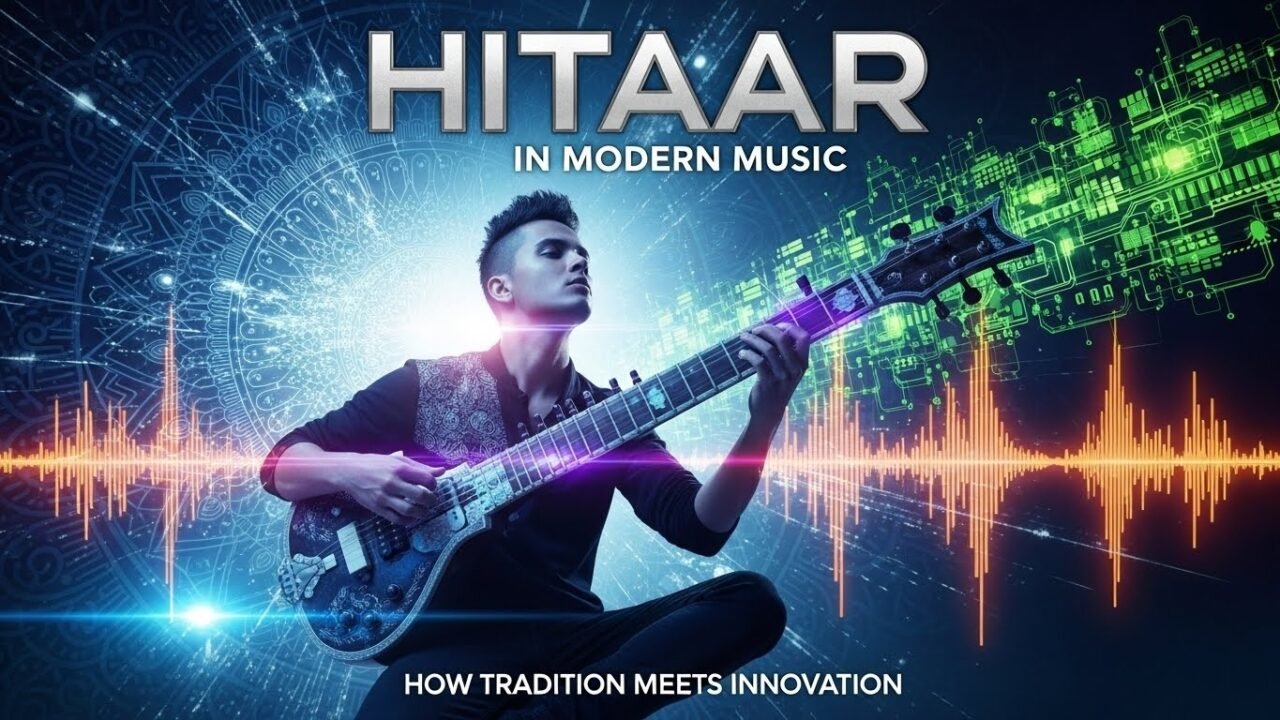
Music has always been a powerful force, transcending boundaries and cultures. Among the myriad of instruments and styles that weave through our sonic landscape, the hitaar stands out as a fascinating blend of tradition and innovation. As modern musicians explore new ways to express themselves, this unique instrument is gaining popularity for its versatility and rich heritage.
What makes the hitaar so special? It’s not just an instrument; it represents a philosophical approach to music education, cultural significance, and linguistic expression. In recent years, artists have embraced the hitaar in fresh ways, incorporating it into contemporary genres while maintaining its traditional roots.
Join us on an exploration of how the hitaar connects past with present. Discover why this ancient stringed wonder resonates so deeply today and learn how you can embark on your own journey with this remarkable instrument. The world of hitaar awaits!
Clarifying the Term: Addressing Common Confusion
The term “hitaar” often leads to some confusion among music enthusiasts. Many people mistakenly associate it with similar-sounding instruments or overlook its unique characteristics. This misunderstanding can overshadow the rich cultural and musical history that surrounds the hitaar.
Traditionally, the hitaar is a stringed instrument rooted in specific regional practices, yet it has evolved over time. It’s essential to distinguish between various styles and variations of this instrument found across different cultures. Each region brings its own flavor, contributing to diverse sounds and playing techniques.
You Might Also Like: Antarvacna
Additionally, some may think of “hitaar” as merely an educational philosophy rather than an actual musical instrument. While it does represent a method of teaching music that emphasizes creativity and deep understanding, the hitaar itself remains pivotal in practical applications too.
Understanding what hitaar truly represents helps appreciate its role within modern music better. By clarifying these definitions, we can foster richer conversations about how tradition informs innovation in today’s ever-evolving soundscape.
Hitaar as a Musical Instrument
The hitaar, a unique string instrument, blends tradition with contemporary soundscapes. Crafted from wood and featuring multiple strings, it creates a rich tonal quality that captivates audiences. Musicians often admire its versatility; it can evoke emotions ranging from joy to melancholy in just a few notes.
One of the defining features of the hitaar is its ability to adapt across genres. From classical compositions to modern fusion music, this instrument finds its place seamlessly. Its distinct sound adds depth to any ensemble, making it an attractive choice for composers seeking innovation while respecting heritage.
Learning to play the hitaar requires dedication and skill. Aspiring musicians invest time in mastering techniques passed down through generations. The intricate finger placements and strumming patterns open up a world of creative expression that resonates deeply with both players and listeners alike.
As more artists embrace the hitaar, collaborations emerge that push musical boundaries further than ever before. This blending of traditional craftsmanship with innovative approaches sparks new interest among younger generations eager to explore their roots while forging fresh paths in music creation.
Hitaar as an Educational Philosophy
Hitaar transcends its role as a musical instrument, evolving into a profound educational philosophy. This approach emphasizes not just the acquisition of skills but also the cultivation of creativity and emotional expression. In Hitaar education, learning becomes an immersive experience where students engage deeply with their craft.
At its core, Hitaar encourages learners to explore traditional techniques while infusing personal innovation. This blend fosters both respect for heritage and individual artistry. Students are often guided by mentors who emphasize the importance of understanding cultural contexts, making each lesson rich in historical significance.
The process is collaborative too; students frequently participate in group performances that build teamwork and communication skills. This communal aspect reinforces the idea that music is meant to be shared and enjoyed together rather than simply mastered alone.
Moreover, this philosophy nurtures lifelong learning. As musicians develop their abilities over time, they carry forward lessons that extend beyond mere notes or rhythms—lessons about resilience, patience, and self-discovery through art form a cornerstone of the Hitaar educational journey.
Cultural and Linguistic Significance
The hitaar holds a unique position in the cultural tapestry of various communities. Its roots can be traced back to ancient traditions, where music was not just entertainment but a vital form of communication. This instrument serves as a bridge between generations, connecting youth with their heritage.
Linguistically, the term “hitaar” resonates deeply within many cultures. It embodies stories, emotions, and even historical events that are often passed down through songs. Each note played on this instrument carries layers of meaning that reflect societal values and experiences.
Furthermore, the hitaar symbolizes unity among diverse groups. In festivals and celebrations, it brings people together in harmony, fostering shared joy and collective identity. The communal aspect of playing or listening to the hitaar encourages collaboration among musicians across different backgrounds.
In an era dominated by digital sounds, the cultural significance of traditional instruments like the hitaar reminds us to honor our roots. As artists experiment with modern styles while incorporating this traditional element, they keep alive its rich legacy for future generations to enjoy and appreciate.
Why Hitaar Resonates Today
The hitaar has found its place in the tapestry of modern music, seamlessly blending traditional sounds with contemporary styles. As more artists experiment with diverse genres, the hitaar offers a unique sonic palette that captivates listeners. This versatility allows musicians to infuse their work with rich cultural elements while appealing to a global audience.
Moreover, the rise of fusion genres plays a significant role in reviving interest in instruments like the hitaar. Musicians are eager to explore and combine different musical traditions, creating fresh sounds that resonate with younger generations. The result is an exciting cross-pollination of ideas that keeps tradition alive.
Social media platforms have also contributed significantly to this resurgence. Artists share their journeys and performances online, exposing fans to both classic and innovative uses of the hitaar. This visibility helps cultivate a community passionate about preserving this instrument’s legacy while pushing creative boundaries.
Educational initiatives around world music further promote awareness and appreciation for the hitaar. Workshops and classes introduce new audiences to its history and techniques, ensuring it remains relevant in today’s fast-paced musical landscape.
Getting Started with Hitaar
Getting started with hitaar can be an exciting journey for both novices and seasoned musicians. The first step is to familiarize yourself with the instrument’s unique sound and structure. Many resources are available online, from video tutorials to instructional articles that cover everything from basic techniques to complex compositions.
Consider joining local workshops or musical communities focused on hitaar. This hands-on experience provides invaluable lessons in technique, style, and cultural context. Engaging with others who share your passion can enhance your learning curve significantly.
If you prefer self-study, look for beginner-friendly books or online courses specifically targeting hitaar music theory and practice. These materials often include exercises designed to build your skills progressively.
Don’t forget the importance of listening as well. Immerse yourself in recordings of traditional hits alongside modern interpretations. It will help you understand how artists blend old traditions with contemporary sounds.
Remember that patience is key when mastering any musical instrument. Embrace every note you play as a step toward deeper understanding and appreciation of hitaar’s rich legacy in today’s music scene.


How to Choose the Best Dog Daycare for Your Pet in Miami

The Mechanics of Authenticity: Understanding How an AI Detector Functions

Homeowners: What to Ask Before Hiring a Plumber

هنتاوي.com: The Ultimate Platform for Success

FintechZoom.com Markets: Latest Trends and Financial Insights
